
Rajasthan, the “Land of Kings,” is a vibrant tapestry woven with rich history, majestic forts, opulent palaces, colorful traditions, and vast deserts. This northwestern Indian state captivates travelers with its timeless charm, offering a kaleidoscope of experiences that transport you to an era of Maharajas and fierce warriors. From the bustling bazaars to the serene lakes, every corner of Rajasthan whispers tales of valor and romance. Embark on a journey with us as we unveil the top 10 must-visit destinations in this incredible state, each promising an unforgettable adventure.
1. Jaipur: The Pink City
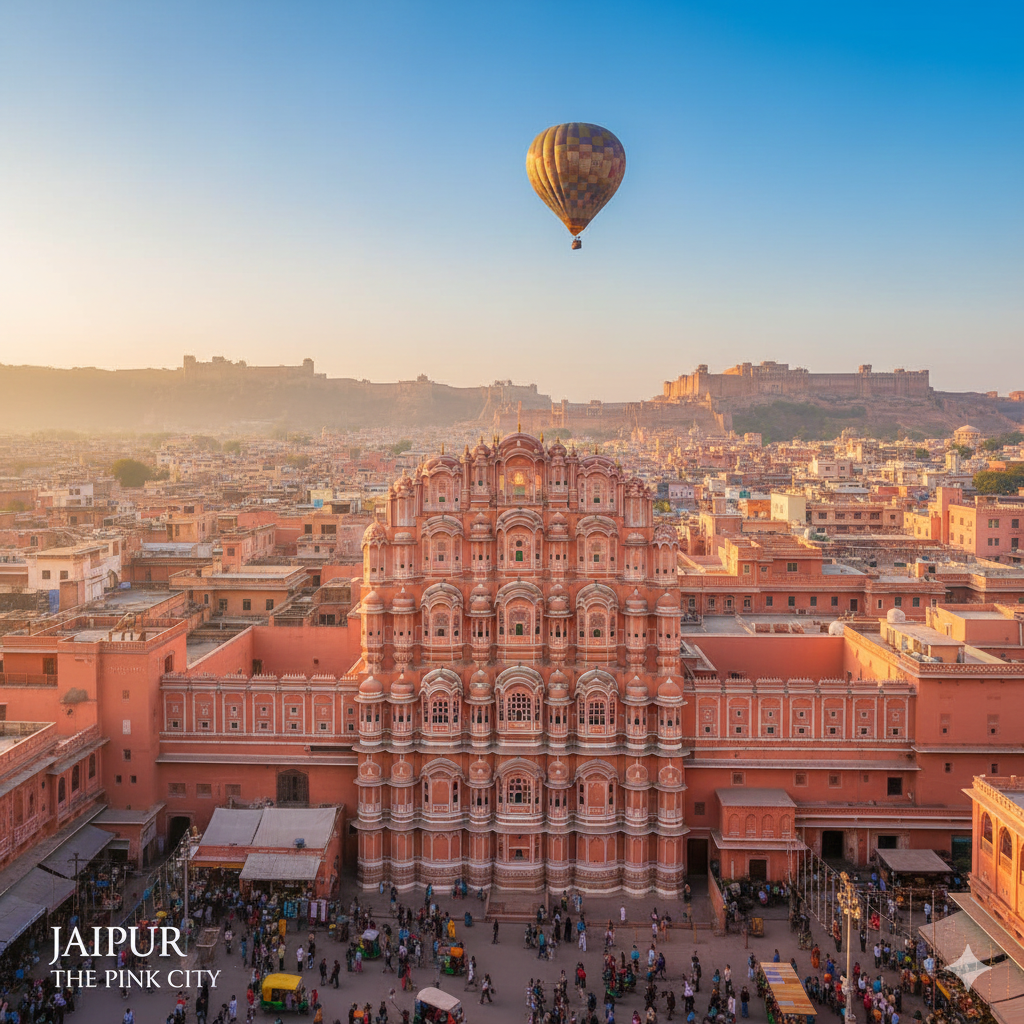
Jaipur, the capital of Rajasthan, lives up to its moniker, the “Pink City,” with its iconic rose-hued buildings that radiate a warm glow, especially at sunset. Founded in 1727 by Maharaja Sawai Jai Singh II, Jaipur is a meticulously planned city boasting a harmonious blend of ancient architecture and modern vibrancy. The city’s heart is the magnificent Hawa Mahal, or Palace of Winds, a stunning five-story structure with 953 small windows, designed to allow royal ladies to observe street festivities unseen.
Further enriching Jaipur’s allure is the Amber Fort, a UNESCO World Heritage Site located just outside the city. This sprawling fort-palace complex, built from red sandstone and marble, showcases a fusion of Rajput and Mughal architectural styles. Its Sheesh Mahal (Mirror Palace) is a breathtaking spectacle, adorned with intricate mirror work that glitters under candlelight. Don’t miss the City Palace, a sprawling complex that houses museums, courtyards, and gardens, still partly serving as the residence of the Jaipur royal family. The Jantar Mantar, an astronomical observatory, also a UNESCO site, is another marvel, featuring giant instruments that measure time and track celestial bodies with astonishing accuracy. Jaipur’s vibrant bazaars, like Johari Bazaar and Bapu Bazaar, offer an array of handicrafts, textiles, and precious gemstones, making it a shopper’s paradise.
2. Udaipur: The City of Lakes
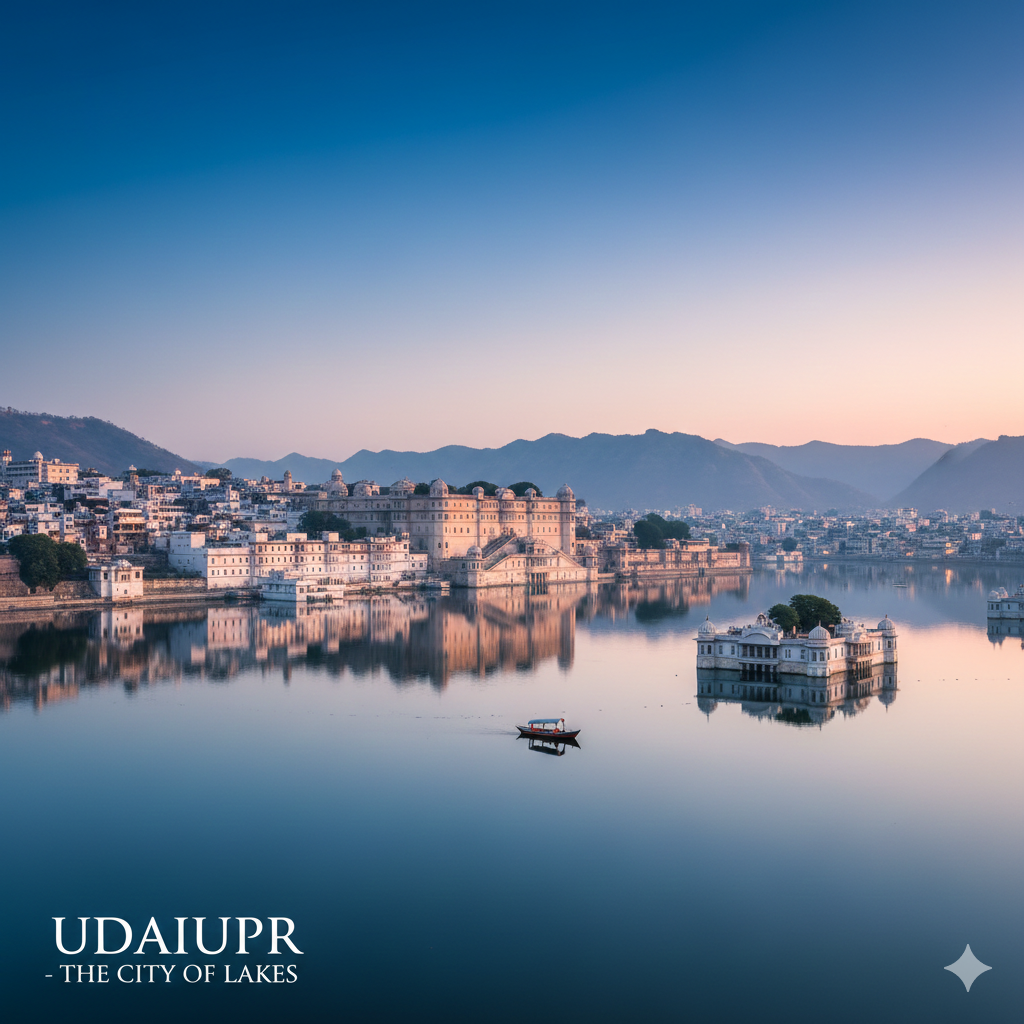
Udaipur, often hailed as the “Venice of the East,” is undoubtedly one of India’s most romantic cities. Nestled amidst the Aravalli Hills, it’s a city of sparkling lakes, enchanting palaces, and verdant gardens that create an idyllic setting. The crown jewel of Udaipur is Lake Pichola, an artificial freshwater lake that shimmers with the reflection of palaces and temples. The Lake Palace, now a luxury hotel, appears to float magically on the water, offering an exquisite visual.
The grandeur of the City Palace, perched on the banks of Lake Pichola, is unmatched. It’s a colossal complex of palaces, courtyards, and gardens, offering panoramic views of the city and its lakes. Another significant attraction is the Jag Mandir, an island palace on Lake Pichola, known for its beautiful garden courtyard and exquisite carvings. For a touch of serenity, visit Saheliyon-ki-Bari, a charming garden adorned with fountains, kiosks, and marble elephants. A boat ride on Lake Pichola, especially at sunset, is a quintessential Udaipur experience, offering breathtaking views of the city bathed in golden light. The old city’s narrow lanes are perfect for exploring local artistry, from miniature paintings to traditional handicrafts.
3. Jodhpur: The Blue City
Jodhpur, affectionately known as the “Blue City” due to its indigo-painted houses that stand out against the Thar Desert, is a city steeped in history and vibrant culture. Dominating the cityscape is the formidable Mehrangarh Fort, one of India’s largest and most magnificent forts. Perched on a 400-foot high hill, it offers sweeping views of the blue city below. Inside, the fort houses several exquisite palaces, courtyards, and museums displaying royal artifacts, arms, and elaborate palanquins.
Beneath the fort lies Jaswant Thada, a stunning white marble cenotaph built in memory of Maharaja Jaswant Singh II. Its intricate carvings and peaceful gardens offer a serene escape. The Umaid Bhawan Palace, a grand edifice that serves partly as a royal residence, a heritage hotel, and a museum, is another architectural marvel, showcasing Art Deco design. Exploring the bustling Sardar Market around the Clock Tower, with its vibrant textiles, spices, and handicrafts, provides a glimpse into local life. The labyrinthine streets of the old city, with their blue houses and friendly locals, are a delight to wander through, revealing hidden gems and authentic experiences at every turn.
4. Pushkar: The Holy City
Pushkar is a small, sacred town renowned for its holy Pushkar Lake and the world’s only Brahma Temple. It holds immense religious significance for Hindus, attracting pilgrims and tourists alike. The Pushkar Lake is surrounded by 52 bathing ghats, where devotees take a holy dip to cleanse their sins. The tranquil atmosphere, especially during sunrise and sunset, is deeply spiritual.
The annual Pushkar Camel Fair, usually held in October or November, is a spectacle not to be missed. It’s one of the largest camel fairs in the world, where thousands of camels, horses, and cattle are traded. The fair is also a cultural extravaganza, featuring folk dances, music, magic shows, and competitive events, offering a vibrant glimpse into rural Rajasthani life. Beyond the religious sites, Pushkar’s vibrant bazaars are a treasure trove of silver jewelry, embroidered textiles, and vibrant Rajasthani attire. The town’s laid-back charm and spiritual aura make it a truly unique destination.
5. Jaisalmer: The Golden City
Jaisalmer, rising from the heart of the Thar Desert, is truly a sight to behold. Known as the “Golden City,” its yellow sandstone architecture glows like gold under the desert sun, creating a magical ambiance. The magnificent Jaisalmer Fort, a UNESCO World Heritage Site, is one of the very few living forts in the world, with a quarter of the city’s population still residing within its walls.
Inside the fort, explore the intricate Jain Temples, exquisite Havelis (mansions) like Patwon Ki Haveli and Salim Singh Ki Haveli, and wander through its narrow, winding lanes. A camel safari into the vast Thar Desert is an quintessential Jaisalmer experience. Spend a night under the stars in a desert camp, enjoying traditional Rajasthani folk music, dance, and delicious local cuisine. The Gadisar Lake, an artificial reservoir surrounded by temples and ghats, offers a peaceful retreat. Jaisalmer’s remote location and unique desert culture make it an extraordinary destination, offering a glimpse into a bygone era.
6. Ranthambore National Park: Wildlife Haven
For wildlife enthusiasts, Ranthambore National Park is an absolute must-visit. Located near the town of Sawai Madhopur, it’s one of the largest and most renowned national parks in Northern India, famous for its tiger population. The park’s diverse landscape, comprising dense forests, grasslands, and lakes, provides an ideal habitat for a variety of flora and fauna.
Embark on an exhilarating jeep or canter safari to spot the majestic Bengal tiger in its natural habitat. Besides tigers, the park is home to leopards, sloth bears, striped hyenas, sambar deer, chital, nilgai, and a plethora of bird species. The ruins of the ancient Ranthambore Fort, perched atop a hill within the park, add a historical dimension to the wildlife experience. The park’s stunning scenery, combined with the thrill of wildlife spotting, makes Ranthambore an unforgettable adventure.
7. Mount Abu: Rajasthan’s Only Hill Station
Mount Abu, Rajasthan’s sole hill station, offers a refreshing escape from the desert heat. Situated in the Aravalli Range, it’s known for its serene lakes, lush greenery, and ancient temples. The Dilwara Jain Temples, a complex of five exquisitely carved marble temples, are a masterpiece of Jain architecture and a major pilgrimage site.
Nakki Lake, a popular tourist spot, is perfect for boating and enjoying the scenic beauty. Guru Shikhar, the highest peak in the Aravalli Range, offers panoramic views of the surrounding hills and valleys. The Mount Abu Wildlife Sanctuary provides an opportunity to spot various wildlife species, including leopards and langurs. The pleasant climate and natural beauty make Mount Abu a popular retreat for both pilgrims and leisure travelers.
8. Bikaner: The Desert City
Bikaner, often called the “Desert City,” is renowned for its majestic forts, intricately carved temples, and vibrant desert festivals. The formidable Junagarh Fort, a massive structure built in the 16th century, stands as a testament to Rajput architecture. Unlike other forts built on hilltops, Junagarh Fort is built on the plains and is surrounded by a moat. Its opulent palaces, adorned with exquisite paintings and carvings, offer a glimpse into the royal lifestyle.
Don’t miss the Karni Mata Temple, also known as the “Rat Temple,” a unique and fascinating temple where thousands of rats are worshipped as sacred. The National Research Centre on Camel provides an opportunity to learn about camels and even enjoy a camel ride. Bikaner is also famous for its savory snacks, particularly ‘bhujia’ and sweets, making it a culinary delight. The city’s rustic charm and vibrant culture, especially during the annual Camel Festival, offer a truly authentic Rajasthani experience.
9. Ajmer: A Blend of Cultures
Ajmer, a city steeped in history and religious significance, is a fascinating blend of Hindu and Islamic cultures. It is most famous for the Ajmer Sharif Dargah, the tomb of the Sufi saint Khwaja Moinuddin Chishti, which attracts pilgrims from all faiths. The spiritual ambiance of the Dargah is palpable, especially during the annual Urs festival.
Another prominent attraction is Ana Sagar Lake, an artificial lake built in the 12th century, surrounded by picturesque gardens and marble pavilions. The Daulat Bagh, a beautiful garden on the banks of Ana Sagar Lake, offers a tranquil escape. Adhai Din Ka Jhonpra, an ancient mosque that was originally a Sanskrit college, showcases a unique blend of Indo-Islamic architecture. Ajmer’s close proximity to Pushkar often leads visitors to combine trips to both spiritual cities, offering a rich cultural and religious experience.
10. Bundi: The City of Wells
Bundi, a charming and relatively untouched town, is often overshadowed by its more famous neighbors but holds a unique appeal with its medieval charm and distinctive architecture. Known as the “City of Wells” or “Blue City” (like Jodhpur, but on a smaller scale), Bundi is famous for its magnificent stepwells, intricately carved baoris, and beautiful palaces. The Taragarh Fort, perched on a hillside, offers panoramic views of the town and its surrounding landscape.
The Bundi Palace, located within the fort, is renowned for its stunning murals and frescoes, especially in the Chitrashala (Picture Gallery), which depicts scenes from the Krishna Leela and Ragamala paintings. The Raniji ki Baori, a grand stepwell adorned with exquisite carvings, is a prime example of Bundi’s architectural prowess. The quiet streets, ancient temples, and the serene beauty of Bundi offer a glimpse into a Rajasthan untouched by mass tourism, making it a perfect destination for those seeking tranquility and authentic cultural experiences.
Rajasthan is a land of endless wonders, where every city tells a unique story. From the royal grandeur of Jaipur and Udaipur to the desert magic of Jaisalmer and the spiritual serenity of Pushkar, each destination offers a distinct flavor of this incredible state. Whether you’re a history buff, a nature lover, a spiritual seeker, or simply looking for an adventure, Rajasthan promises an experience that will linger in your heart long after your journey ends.