
East India is a part of the country where nature, culture, and history come together in the most unexpected ways. While popular destinations like Darjeeling, Gangtok, Puri, and Shillong bring in thousands of tourists every year, the region has so much more to offer beyond the mainstream. Hidden valleys, ancient monasteries, unexplored islands, tribal cultures, and remote hill towns make East India a paradise for travellers who love discovering places off the beaten path.
This guide highlights 15 of the region’s most captivating hidden gems — destinations that remain untouched, authentic, and full of stories waiting to be experienced.
1. Ziro Valley, Arunachal Pradesh
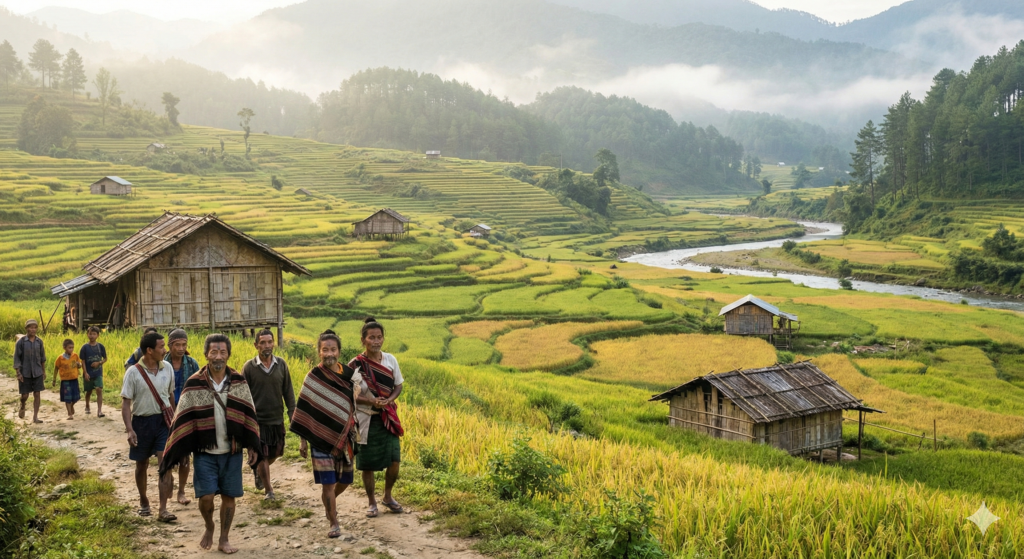
A UNESCO Tentative World Heritage Site, Ziro Valley stands out with its cool climate, pine forests, and vast paddy fields maintained by the Apatani tribe. The region blends natural beauty with indigenous culture, giving visitors a rare look at sustainable tribal living. The Ziro Music Festival, held annually, adds a modern touch to this rustic paradise.
2. Dzukou Valley, Nagaland–Manipur Border
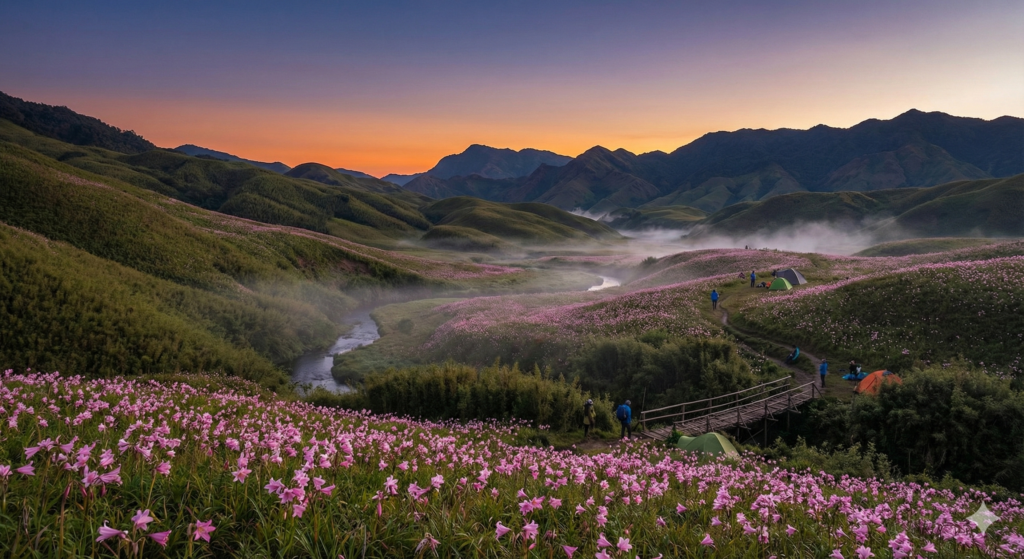
Dzukou Valley is known for its surreal greens, rolling landscapes, and mist-filled mornings. During monsoon, it blooms with thousands of seasonal flowers, making it look like a living painting. For trekkers and nature lovers, the valley offers quiet trails, caves, and campsites under starry skies.
3. Tawang, Arunachal Pradesh
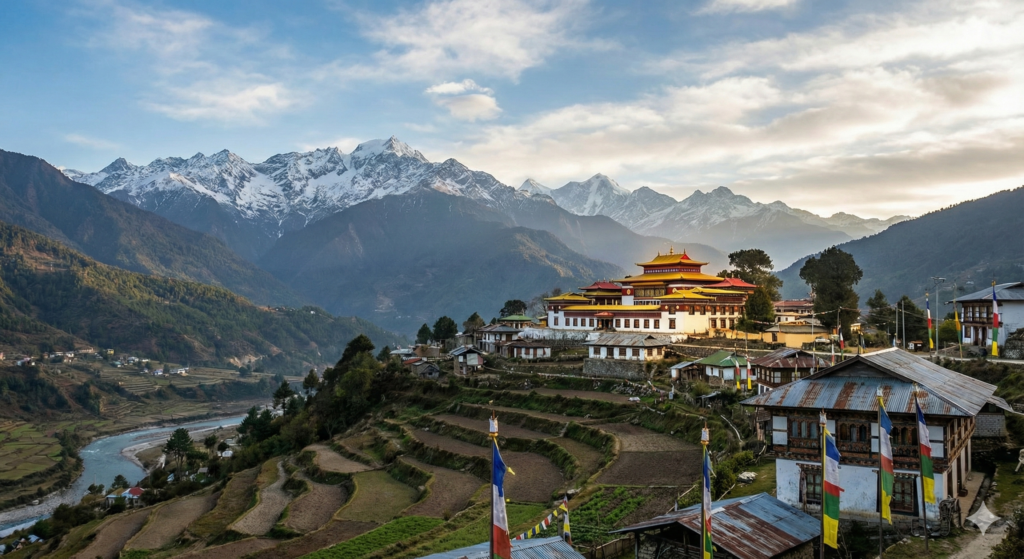
Set among snow-covered mountains, Tawang offers spiritual and scenic charm. The Tawang Monastery — India’s largest — stands proudly overlooking the valley. The region is dotted with glacial lakes such as Shonga-tser Lake and Pankang Teng Tso, which turn frozen and magical during winter. It’s a blend of prayer flags, serene landscapes, and Himalayan adventure.
4. Majuli Island, Assam
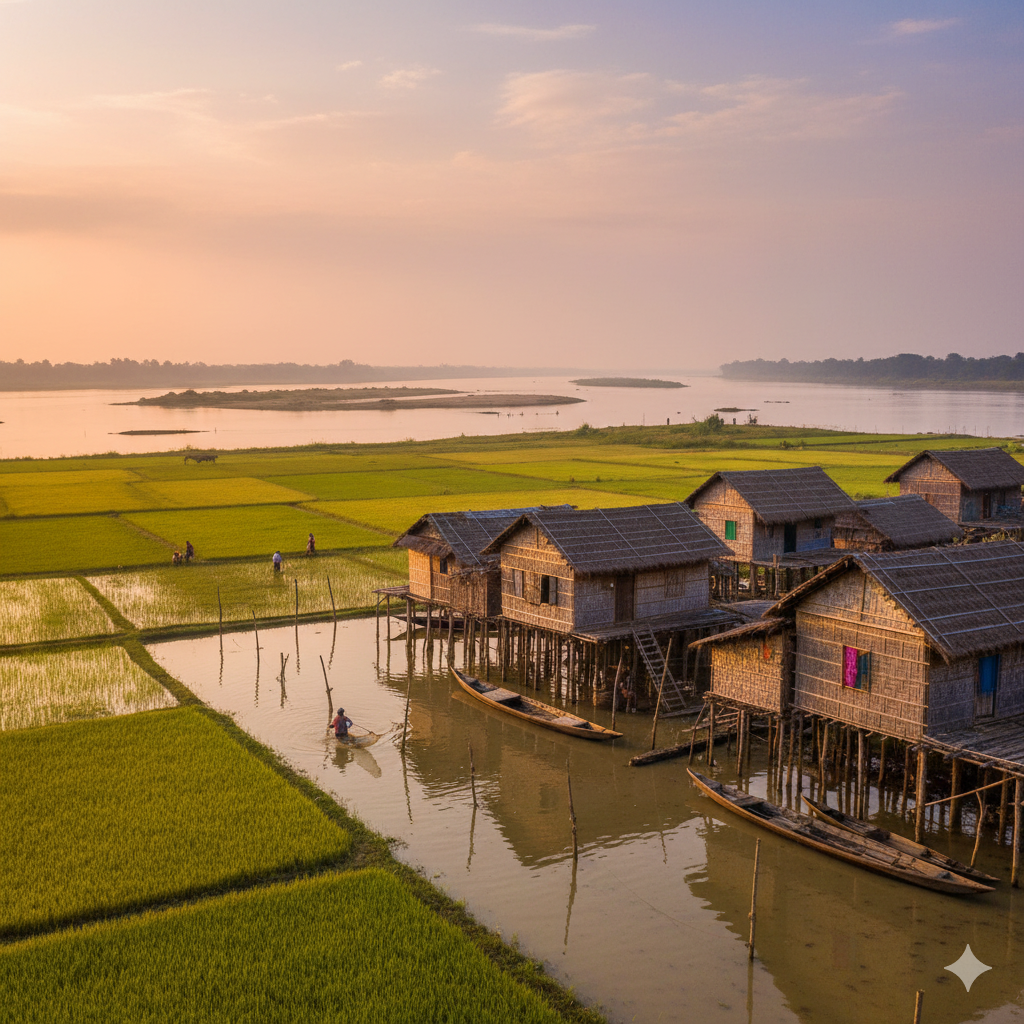
Majuli, the world’s largest river island, is a cultural treasure of Assam. The island’s monasteries (Satras) preserve centuries-old art forms, including the famous Majuli mask-making tradition. Bird lovers flock here for the abundance of migrant species, while travellers enjoy cycling through quaint villages, riverside sunrises, and authentic Assamese food.
5. Sandakphu–Phalut Trek, West Bengal
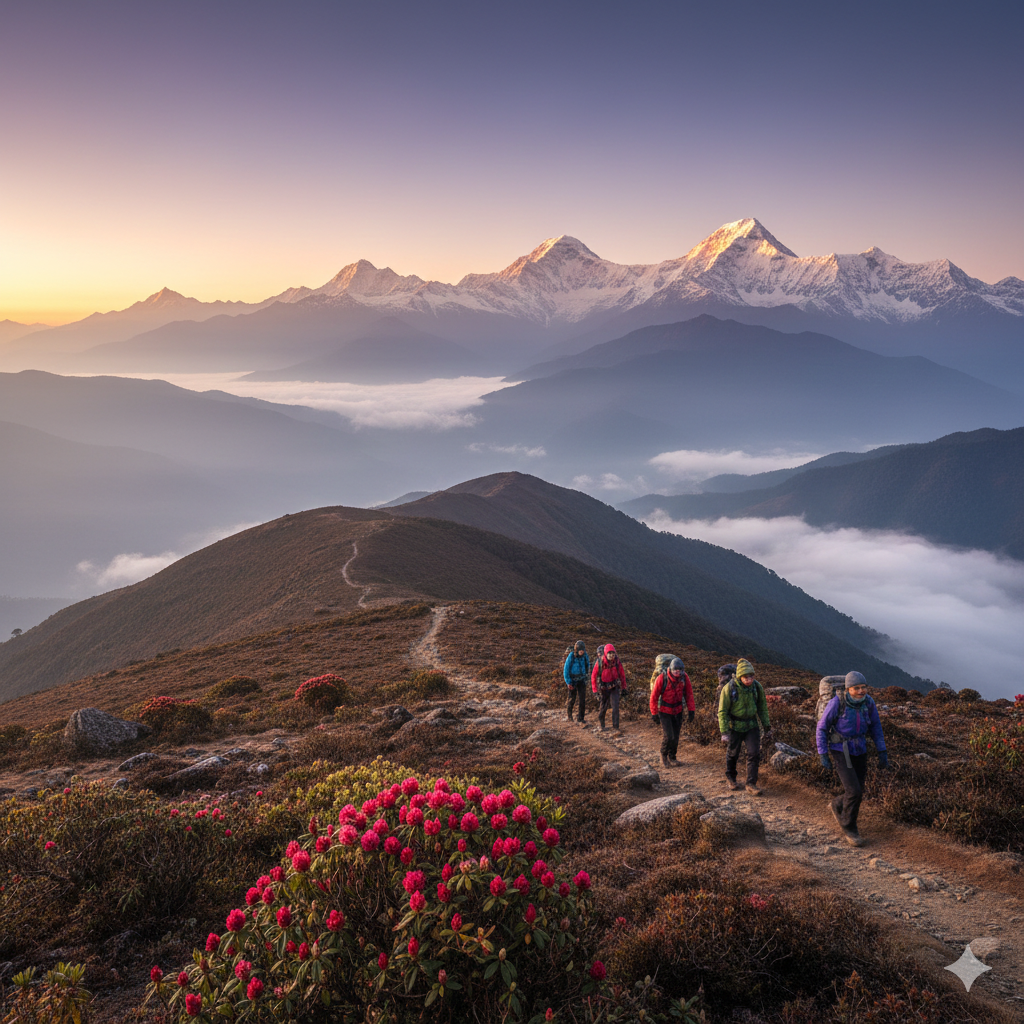
Known for offering one of the world’s most stunning panoramic mountain views, the Sandakphu–Phalut trek is a paradise for adventure seekers. It provides a rare vantage point where four of the world’s tallest peaks — Everest, Kanchenjunga, Lhotse, and Makalu — can all be seen together. Wooden huts, forest trails, and open ridge walks make the journey unforgettable.
6. Jowai, Meghalaya
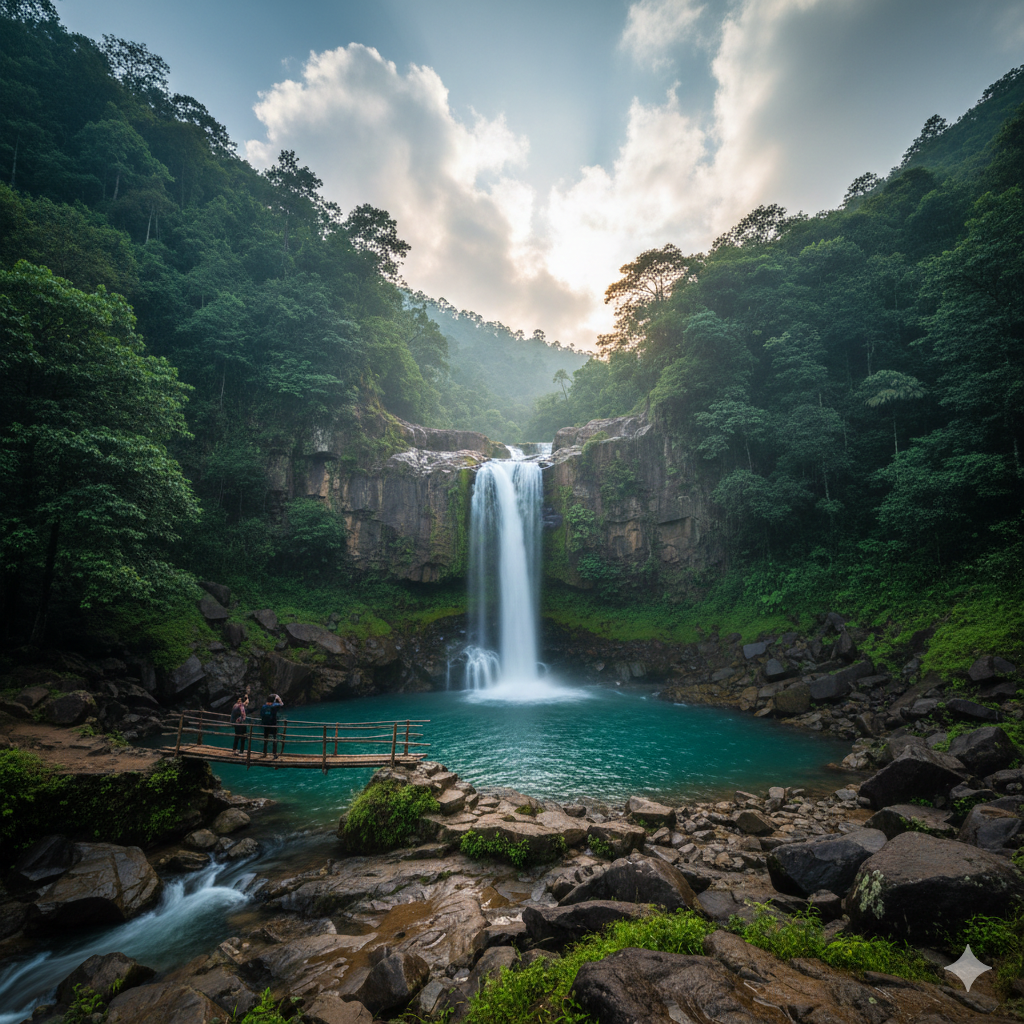
Jowai is a quiet, underrated alternative to Shillong. Surrounded by hills and lakes, the area is home to attractions like Krang Suri Falls, the Phe Phe Waterfall, and Thadlaskein Lake. The pristine waters of these spots make Jowai ideal for relaxation, camping, and leisurely road trips. Its mix of natural beauty and local Pnar culture adds a unique flavour to the journey.
7. Daringbadi, Odisha
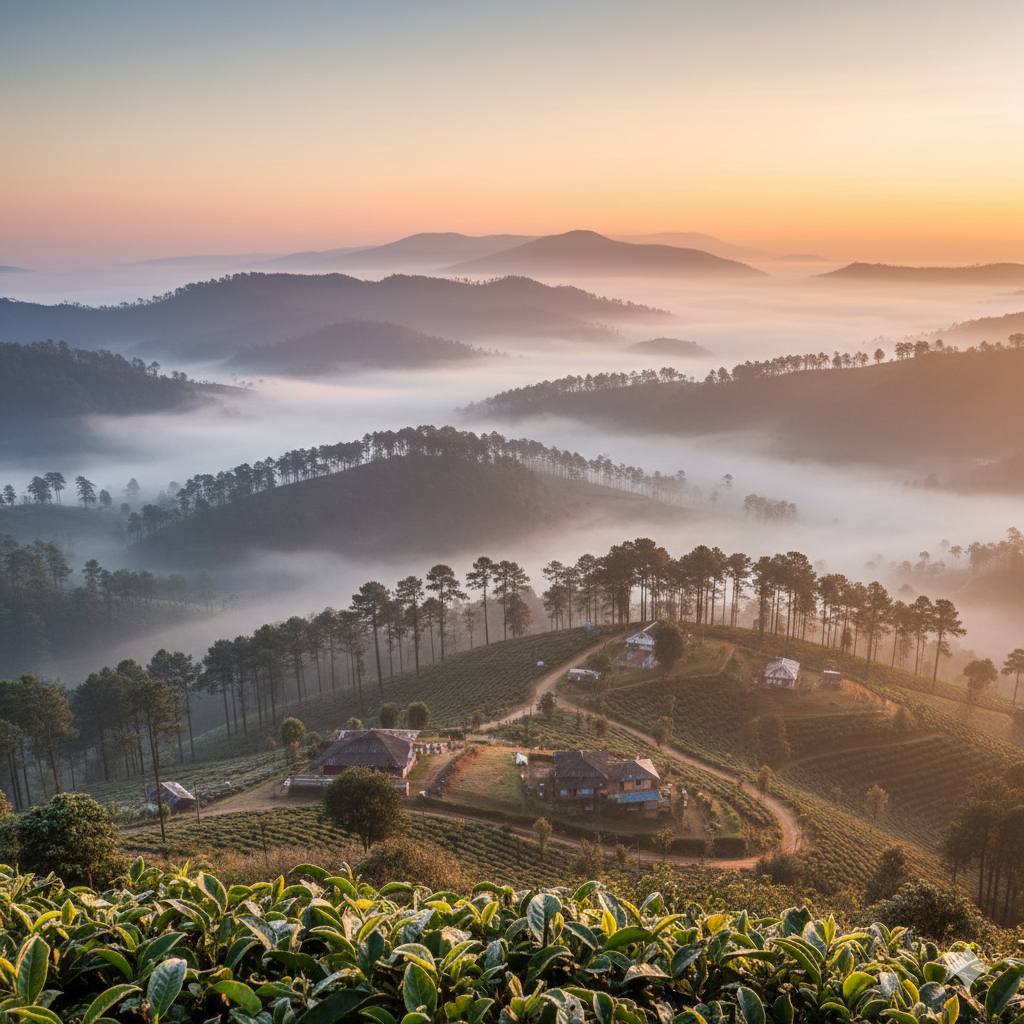
Often called the “Kashmir of Odisha,” Daringbadi offers cool weather, pine forests, and picturesque coffee plantations. It is one of the very few places in Odisha that occasionally experiences frost during winter. The region has a slow, peaceful rhythm that makes it perfect for couples, wellness travellers, and families seeking calm surroundings.
8. Netarhat, Jharkhand
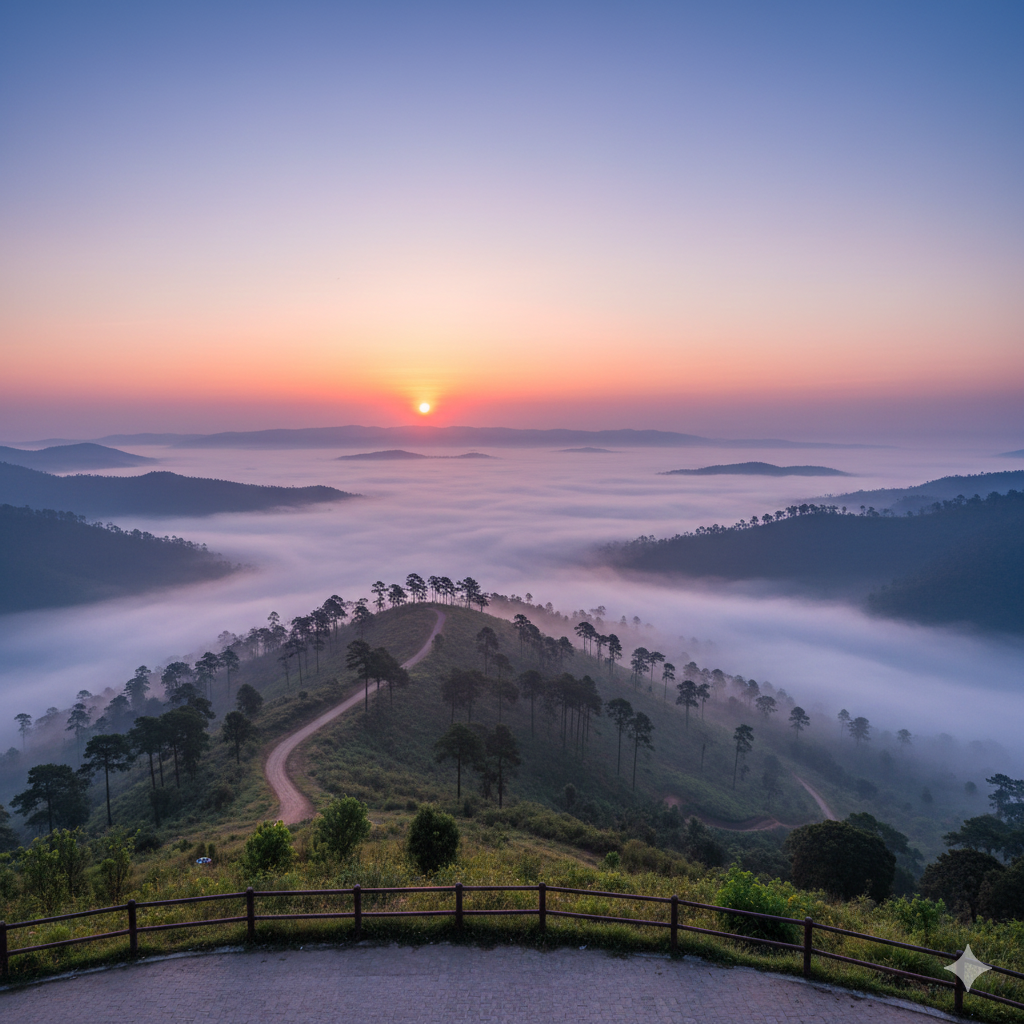
Netarhat is a retreat into nature’s silence. Known for its mesmerizing sunrises and sunsets, this hill station offers lush forests, walking trails, and waterfalls like the Upper Ghaghri and Lower Ghaghri Falls. The place is remote and untouched, giving travellers a true escape from city noise.
9. Gopalpur-on-Sea, Odisha
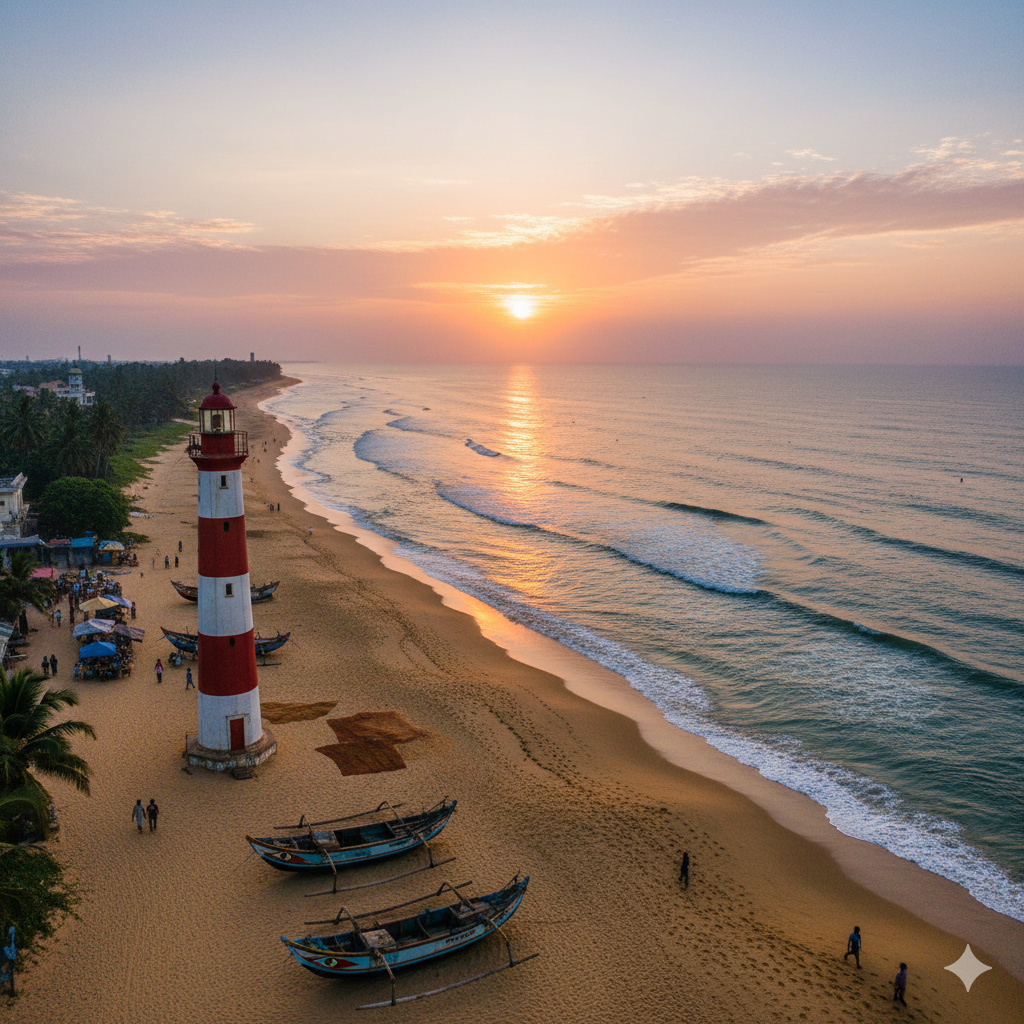
Gopalpur-on-Sea is a charming coastal town along the Bay of Bengal known for quiet shores, refreshing sea breeze, and soft golden sands. Unlike commercial beach destinations, Gopalpur allows visitors to enjoy long walks, fresh seafood, and leisurely evenings by the waves. Its colonial-era lighthouse adds to the town’s charm.
10. Aalo (Along), Arunachal Pradesh
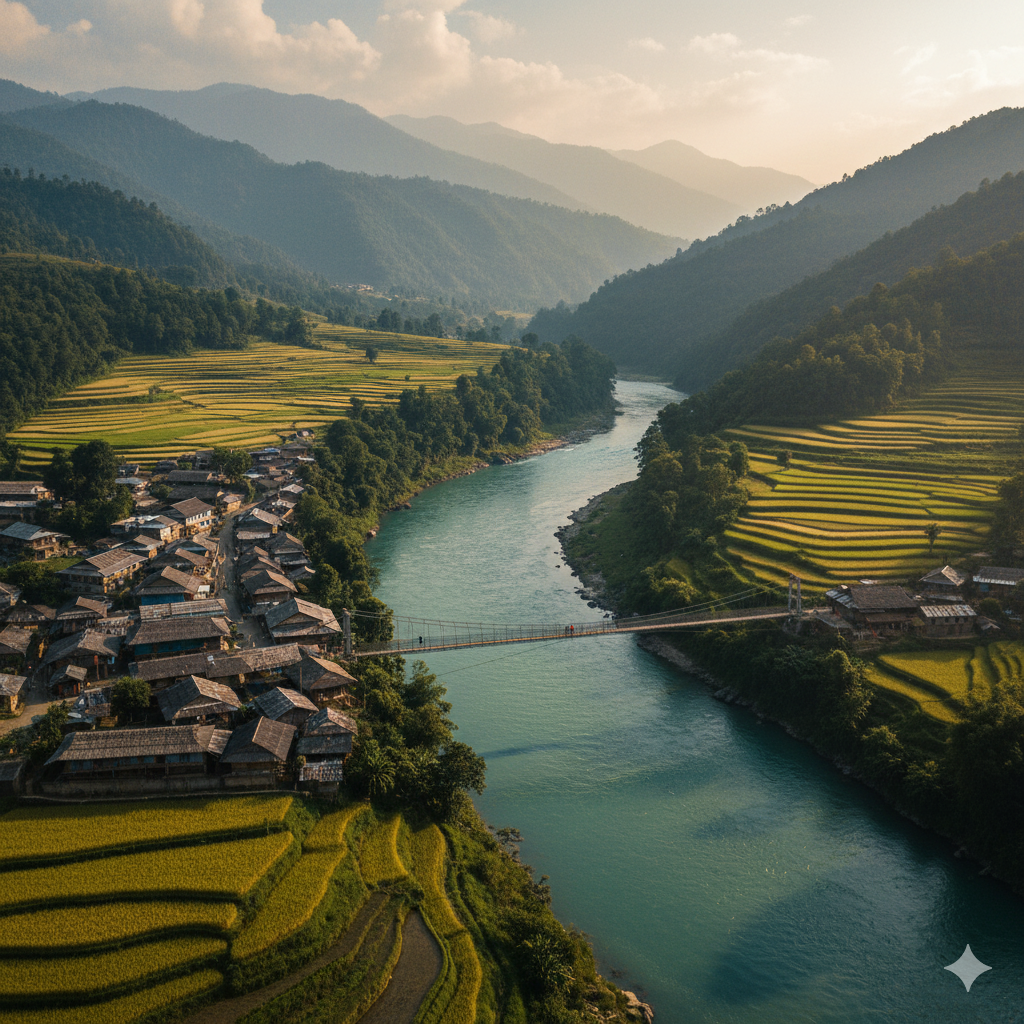
Aalo is a tranquil region surrounded by the Siyom and Sipu rivers. Orange orchards, tribal villages, bamboo bridges, and mountain backdrops make it a haven for experiential travellers. The local festivals and traditional homes add even more depth to the experience.
11. Dawki – Shnongpdeng, Meghalaya
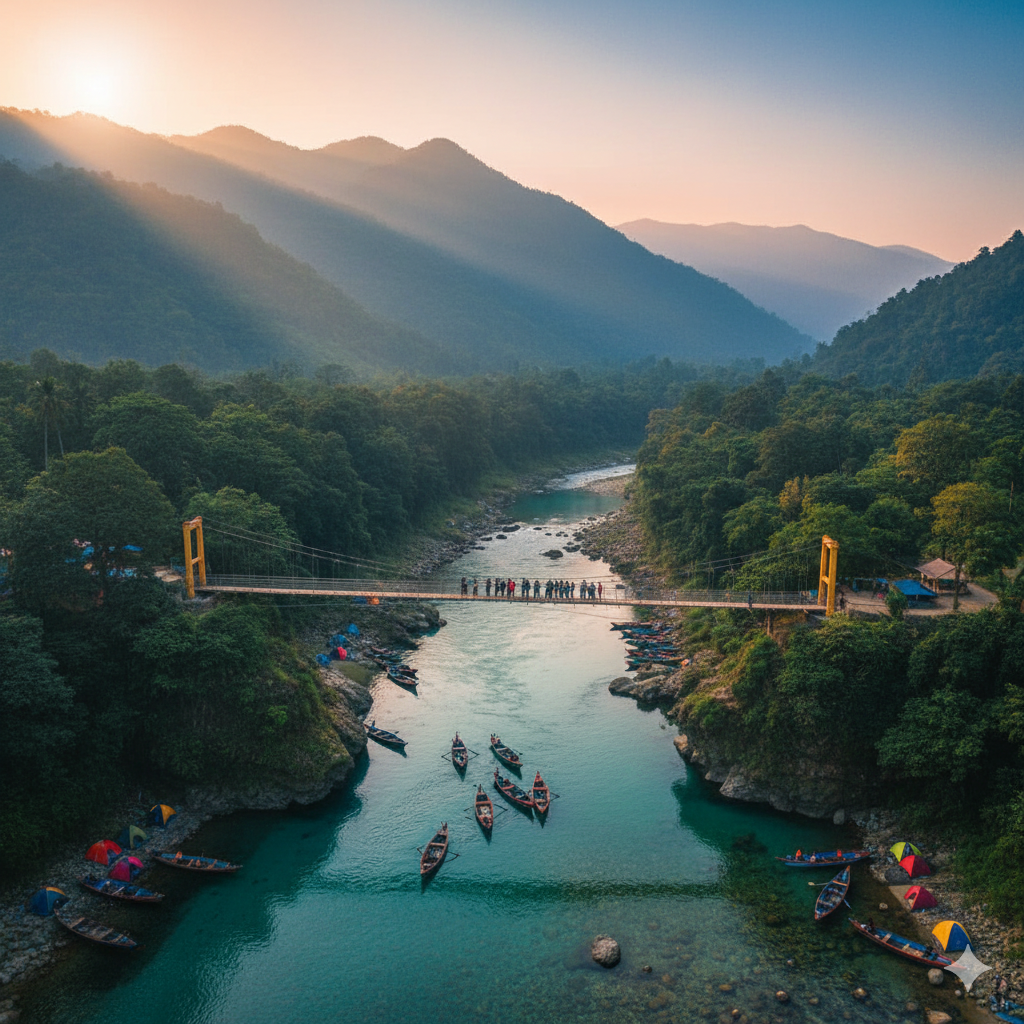
Here lies the famous Umngot River, known for its unbelievably clear water that makes boats appear to float in the air. Visitors can kayak, snorkel, cliff-jump, or simply sit by the river. Shnongpdeng offers peaceful riverside stays, making it perfect for weekend retreats.
12. Murshidabad, West Bengal
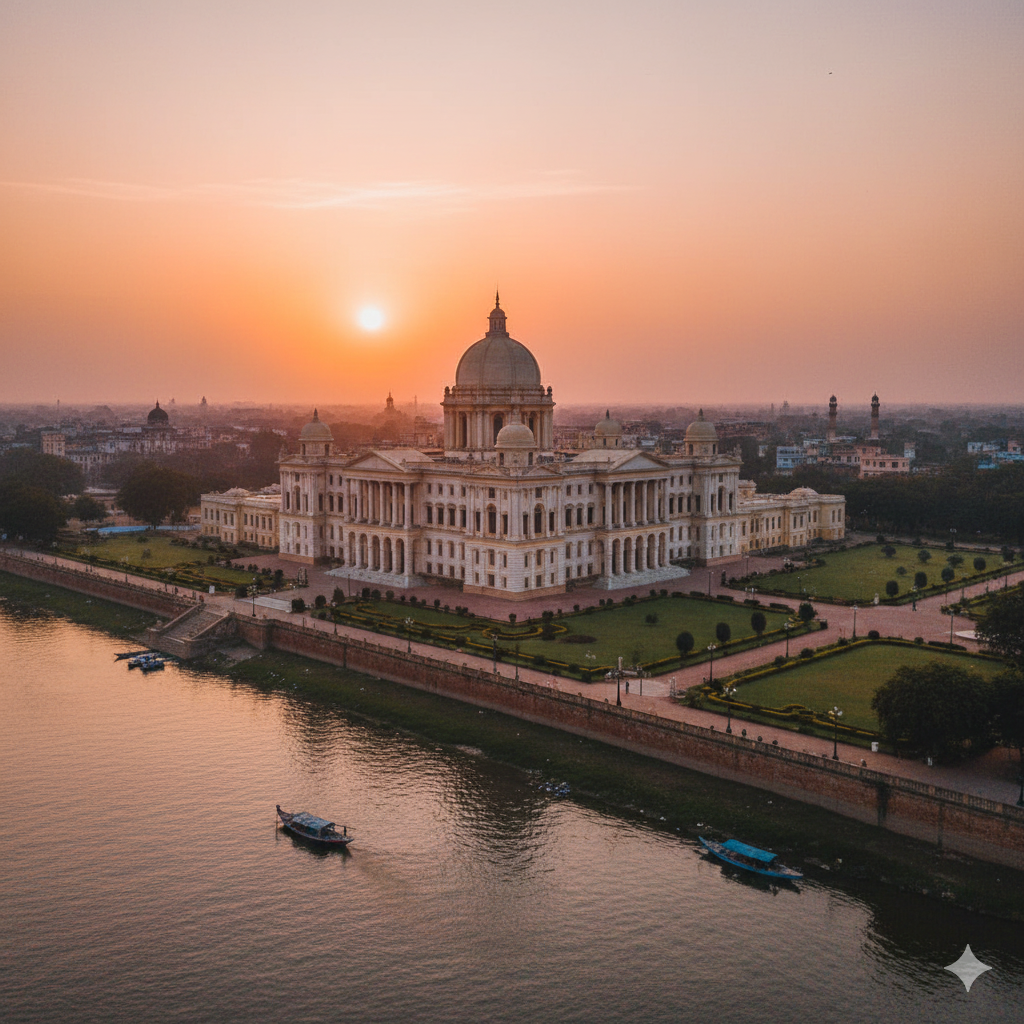
A walk through Murshidabad feels like travelling back in time. Once the capital of Bengal’s Nawabs, this town is filled with palaces, mosques, gardens, and stories from the colonial era. Landmarks like Hazarduari Palace and Katra Mosque give travellers a deep dive into Bengal’s cultural past.
13. Champhai, Mizoram
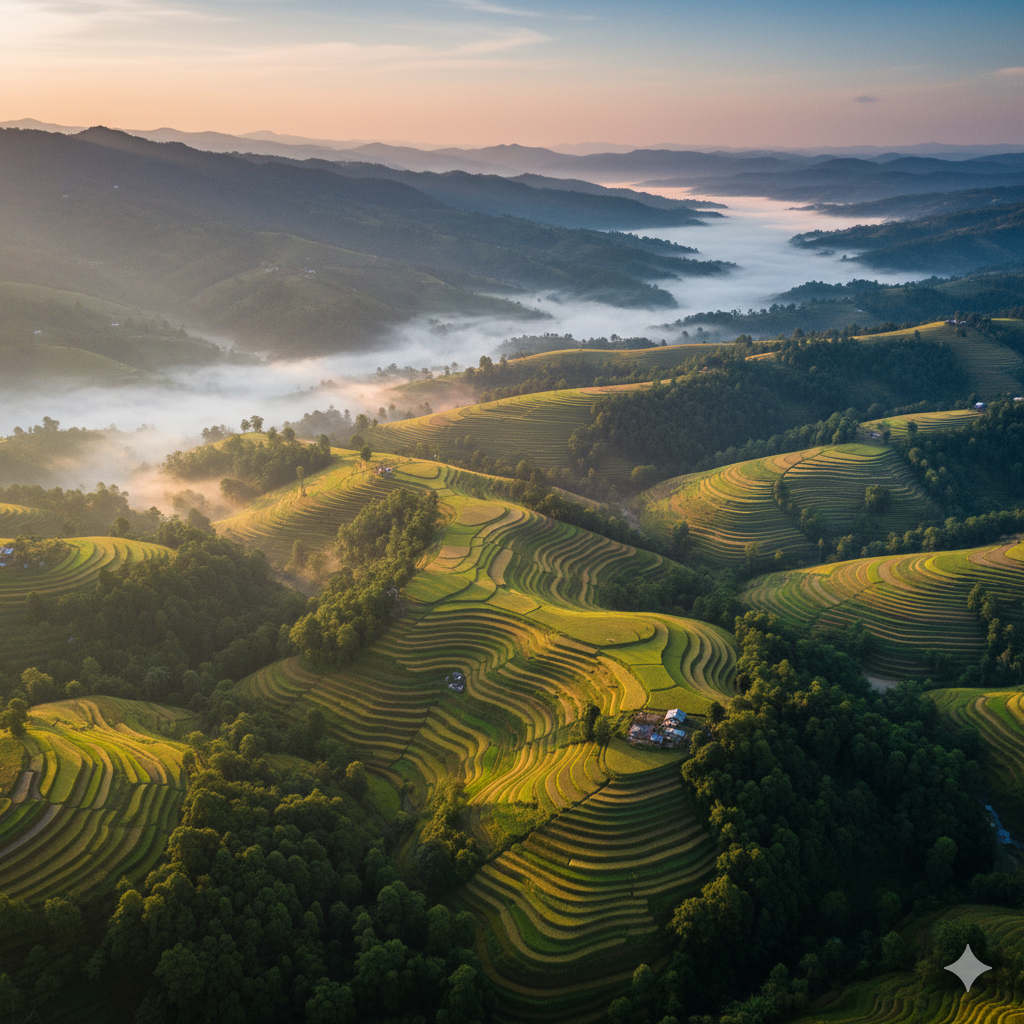
Champhai is a scenic district known for its vineyards, paddy fields, and peaceful villages. Located near the India–Myanmar border, it offers panoramic views of rolling hills and floating clouds. The region’s simplicity, fresh climate, and photogenic landscapes make it great for travellers who enjoy quiet destinations.
14. Balpakram National Park, Meghalaya
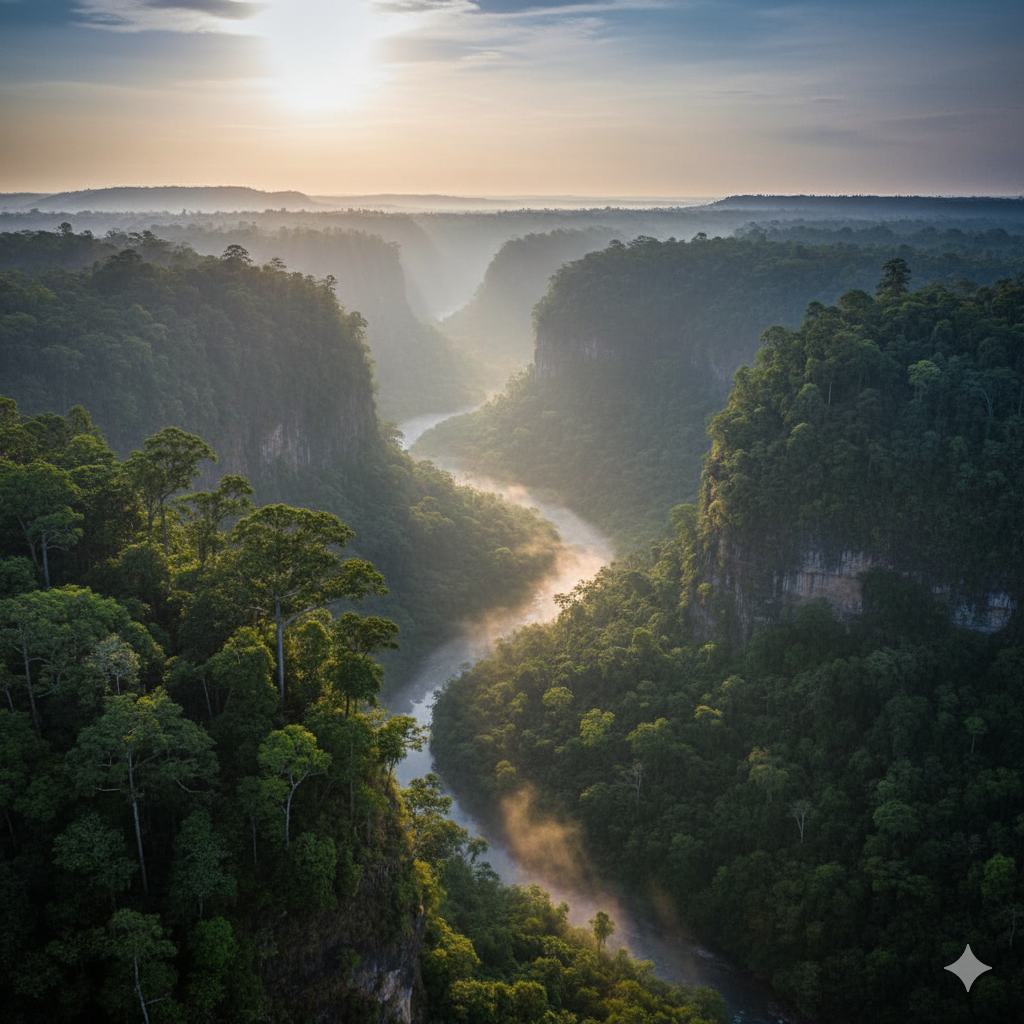
Balpakram is often compared to the Grand Canyon for its dramatic cliffs, gorges, and plateaus. This biodiversity hotspot is home to elephants, red pandas, rare medicinal plants, and countless myths of the Garo tribe. It is ideal for wildlife enthusiasts and explorers.
15. Bhitarkanika National Park, Odisha
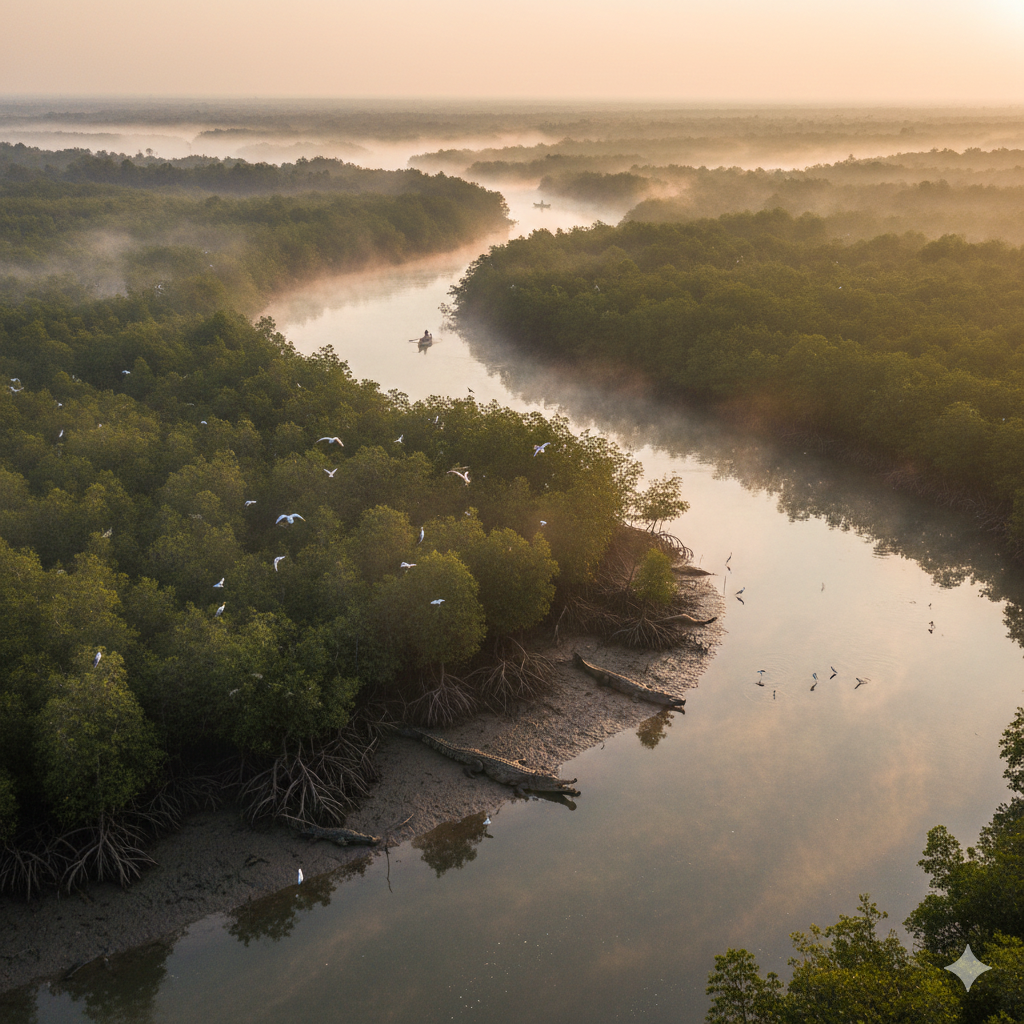
A lesser-explored coastal ecosystem, Bhitarkanika features mangrove forests, tranquil waterways, and India’s largest population of saltwater crocodiles. Birdwatchers, nature photographers, and eco-tourism travellers will find this place immensely rewarding.
Final Thoughts
East India is rich with landscapes and cultures that deserve far more attention than they receive. Each of these 15 destinations offers something rare — whether it’s ancient traditions, untouched natural beauty, or deep historical roots. As tourism expands in 2025, exploring these hidden gems ensures not only a memorable journey but also a chance to support local communities and preserve lesser-known regions.